
The Brick That Broke the Rules
How one clever design is quietly ending the construction chaos. No cranes. No mortar. No excuses. Just the brick doing what it was always meant to do — better. Introducing SlideBrick.

How One Clever Design Is Quietly Ending the Construction Chaos
No cranes. No mortar. No excuses. Just the brick doing what it was always meant to do… better.
The brick has always been great. It built Jericho 9,000 years ago. It built the Indus Valley cities. Roman aqueducts. Medieval cathedrals. Industrial warehouses. Modern suburbs. From sun-dried mud in 7500 BCE to fired clay in ancient Mesopotamia, standardised Roman brickwork, machine-pressed Victorian bricks, concrete blocks of the 20th century, lightweight AAC today — the brick has never stopped evolving. It has always been the quiet, repeatable, load-bearing hero that lets civilisations rise, one unit at a time. Modular. Stackable. Adaptable. Enduring.
But something broke along the way.
Houses became expensive. Builds became chaotic. Trades fought over timelines. Budgets blew out. Councils delayed. Gantries and robots promised to fix it all — giant machines squirting concrete walls in 24 hours — but they never left the demo sites. Too big. Too loud. Too tied to perfect conditions. They couldn't fit in Preston backyards. They couldn't curve. They couldn't adapt. They were headlines, not homes.
So I asked a different question.
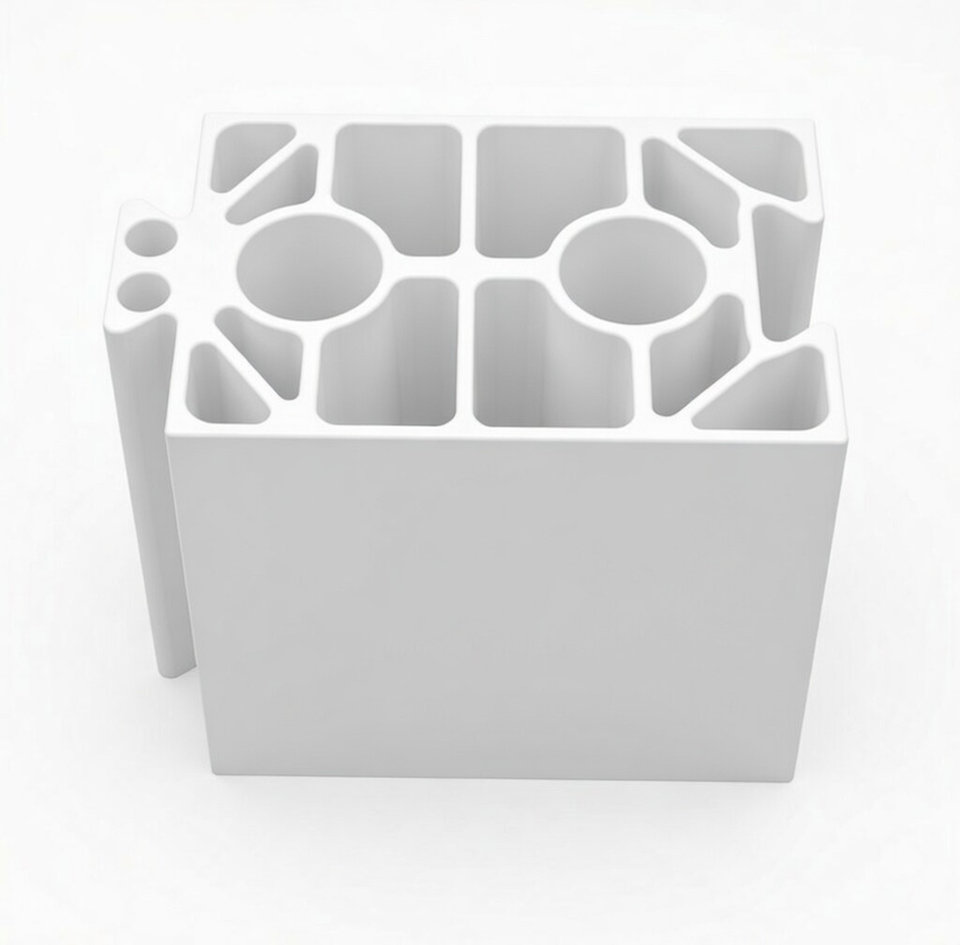
What if the brick itself could evolve again? What if the brick could carry the wiring, the plumbing, the ventilation, the strength, the beauty — all in one piece? What if it could lock without mortar, breathe without ducts, insulate without batts, and assemble like a puzzle anyone could solve?
That's SlideBrick.

It starts with two ancient ideas that humans already trust.
First: barrel vaulting — the 6,000-year-old Roman trick. Thin curved shells that carry massive loads through shape alone. No massive thickness needed; the geometry does the work. I took that principle and folded it into every brick: thin outer skins (2–3 mm), internal vaulted ribs for self-bracing, near-zero infill (mostly hollow cavity that traps air for insulation). No supports needed — even for arches, circles, openings. Print time crashed from 18 hours to 8–9 hours. One 1 kg roll of filament now gives 4 bricks. The brick became lightweight yet rigid — capable of self-supporting vaults, arches, curved walls once core-filled.
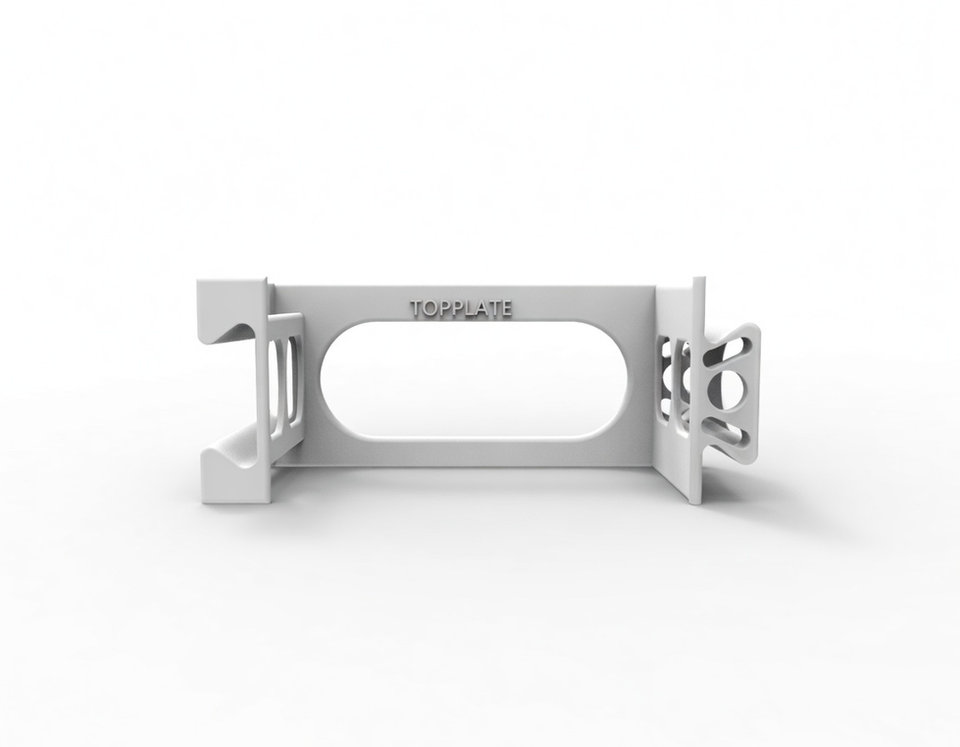
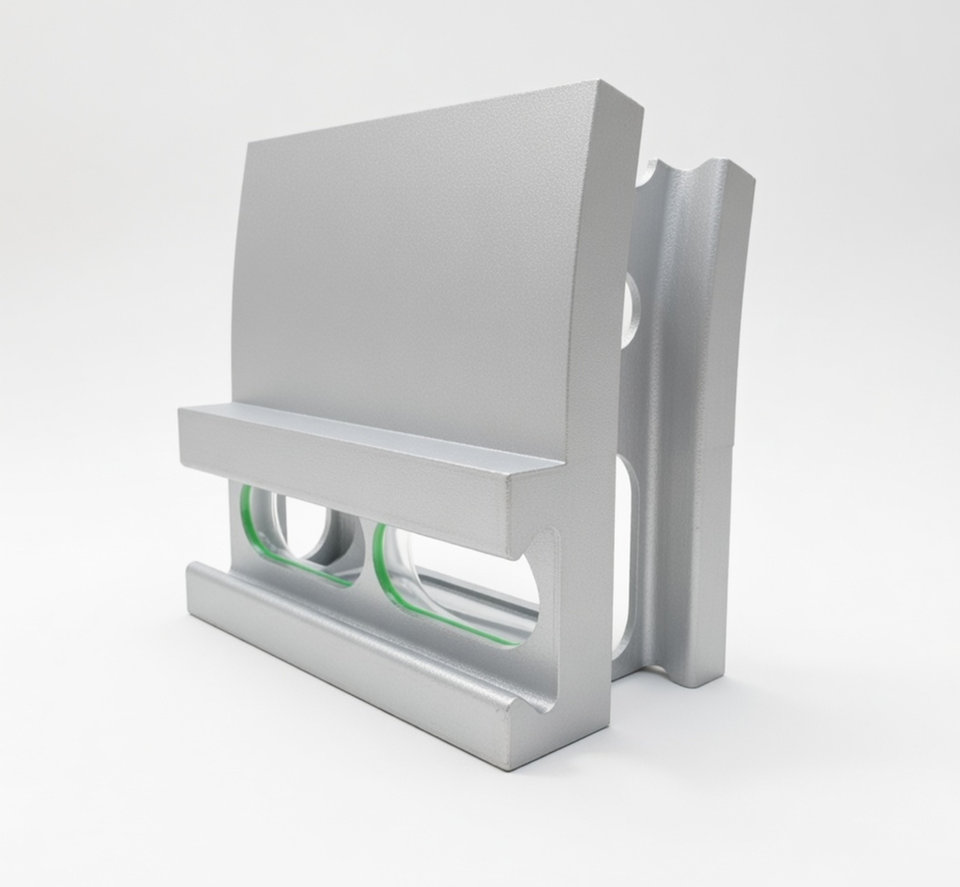
Second: dovetail joints — the carpenter's secret from centuries ago. Timber framers didn't trust nails. They trusted shape. Flared tails that wedge tighter the more you pull. One twig is weak; laminate twenty with dovetails and you have a beam that laughs at wind. SlideBrick prints that same trick into every brick: curved dovetail connectors. Slide from above — tapered entry, smooth. Gravity presses it down — it locks. Stack rows — they laminate. Pull sideways — it fights back. Twenty rows high? Not bricks anymore — one monolithic, laminated wall. Stronger together than any part alone.
That's the physics. But the real magic is how SlideBrick thinks like every trade.
It's smart because it already knows what they need.
Plumber? Pre-printed hooks and channels — clip copper pipe in, zip-tie, done. No chasing, no hammer. Sparky? Pre-recessed slots for power points, USB, switches, LED strips — wire through zig-zag conduits. Brickie? Slide instead of mortar — same rhythm, zero mess. Ventilation? Zig-zag channels + flaps — passive airflow through the brickwork itself, natural cooling, no fans. Insulation? Foam fill in voids — R-6.2–8.5 (beats brick veneer R-4.1 and Hebel R-4.4). Weatherproofing? PETG skin + post-assembly membrane/render — 50-year life. Fire? Self-extinguishing PETG + render/coating — non-combustible surface.
The brick arrives already wired, already vented, already load-ready. No surprises. No delays. No "where does this go?"



The ecosystem makes it effortless:
- Digital Design — Architects model freely — vaults, waves, arches — embedding utilities and structure from day one. Software slices into custom brick kits.
- Local Printing — 50-printer farms (or start with 15) produce batches in a shed. No gantry trucks clogging streets.
- QR-Guided Assembly — QR on each brick → smartphone AR overlay shows exact position, orientation, slide direction. Slide halfway, lock under gravity. Puzzle assembly — no manuals, no errors. Kids can help scan and place.
- Finish & Live — Insert reo if needed, pour foam/concrete, or leave hollow. Trades use pre-built channels. Render optional. Structure complete: insulated, ventilated, wired, beautiful.